
Advanced steels are central to modern vehicle design, but they also introduce specific considerations for PPAP material approval, validation testing, and ongoing control. Below are five common facts highlighted in automotive steel discussions—along with how each one connects to PPAP expectations.
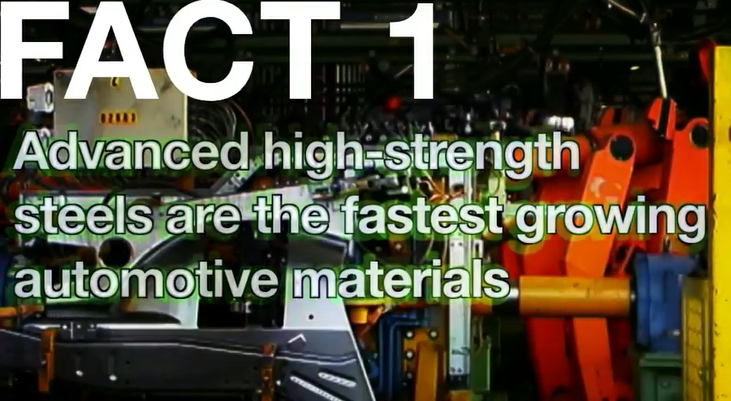
Fact 1: Advanced high-strength steels are a fast-growing automotive material
PPAP relevance:
If you’re introducing AHSS (or changing to a different grade), treat it as a material change with real risk. In PPAP terms, that usually means confirming:
and that your control plan includes the right checks (incoming certs, hardness/strength verification where required, and process monitoring).
the design record/material specification is current,
the DFMEA/PFMEA reflects new failure modes (splitting, springback, weld sensitivity, cracking),

Fact 2: High-strength steel parts can be lightweight and improve fuel efficiency
PPAP relevance:
Lightweighting often comes from thinner gauges and tighter forming windows—so dimensional variation and formability become more sensitive. For PPAP, pay extra attention to:
dimensional results on critical features (especially after forming),
process capability on key characteristics (initial process studies),
and any fit/function checks that prove lightweight changes don’t introduce NVH, fatigue, or assembly issues.

Fact 3: Steel production can have a lower greenhouse gas footprint than some alternative materials
PPAP relevance:
This often drives sourcing changes (different mills, different grades, recycled content, “green steel” claims). If supply is changed, you’ll usually need:
- updated material certificates and traceability (heat/lot),
- records of material/performance tests (chemistry/mechanical properties per spec),
- and sometimes customer-required documentation tied to sustainability or compliance (customer-specific requirements).
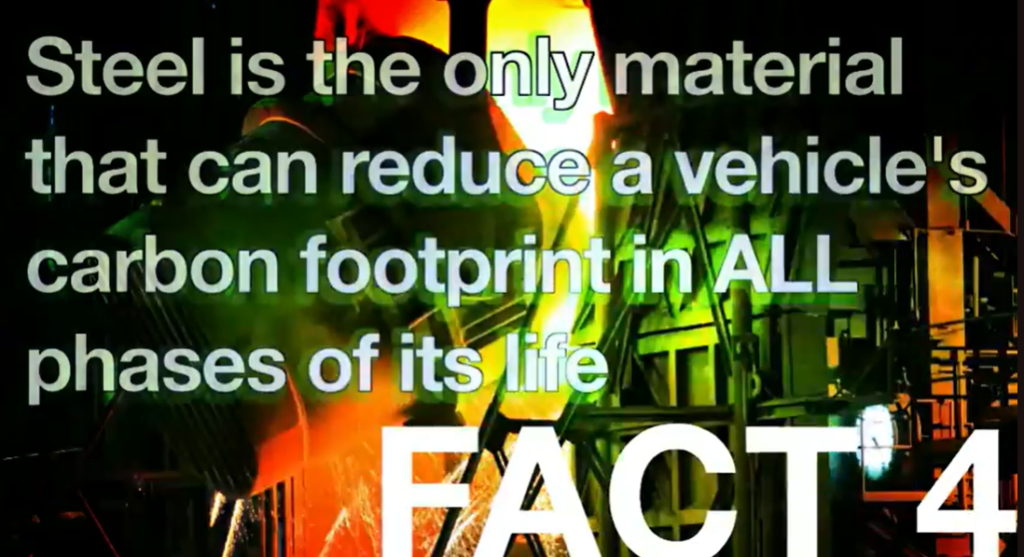
Fact 4: Steel can reduce a vehicle’s carbon footprint across its lifecycle
PPAP relevance:
Lifecycle benefits don’t remove the need for durability and performance evidence. Where steel choice affects crash, fatigue, corrosion, or joining, PPAP should demonstrate:
and that your PFMEA covers end-use risks (corrosion pathways, coating failures, weld defects).
the right performance test results (fatigue/corrosion/crash-related validation where applicable),
robust joining controls (spot weld parameters, adhesive cure controls, weld nugget tests),
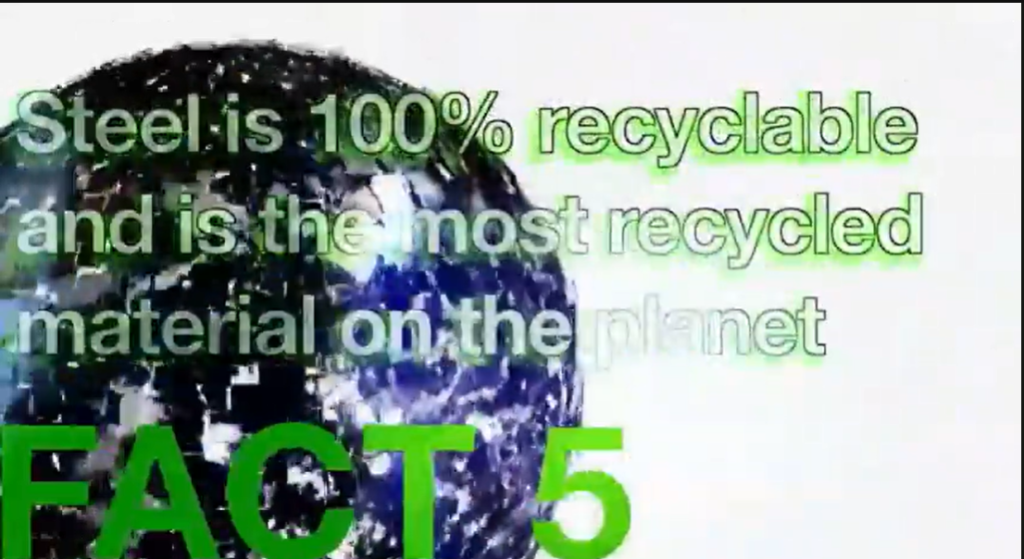
Fact 5: Steel is 100% recyclable and widely recycled
PPAP relevance:
Recycled content can introduce chemistry variability if not tightly controlled. In PPAP terms, make sure you can show:
and clear acceptance criteria in the control plan for any properties sensitive to composition (tensile/yield, elongation, hardness, coating thickness, etc.).
stable incoming material verification (cert review + periodic lab checks if required),
controls for traceability and segregation (lots/heats),



Leave a Comment